
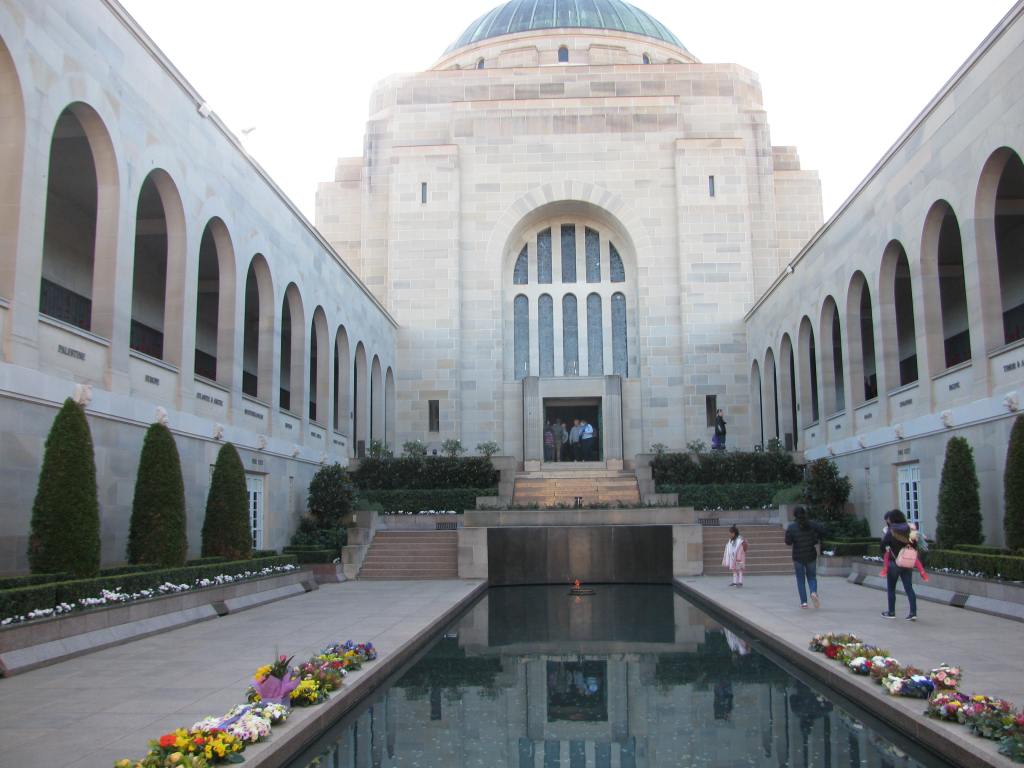
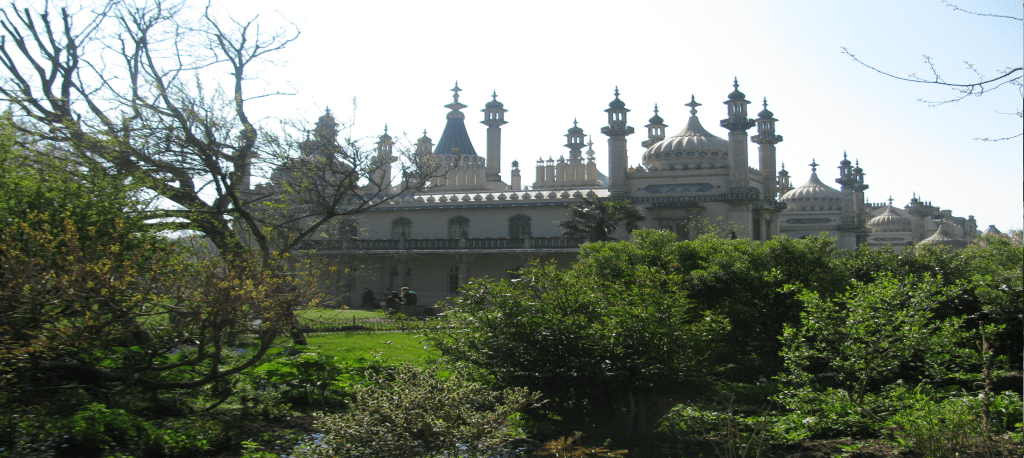
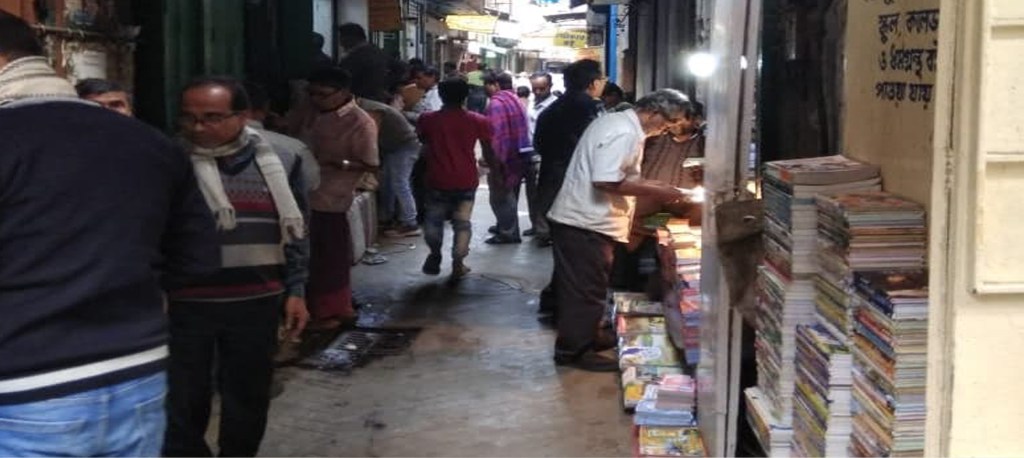
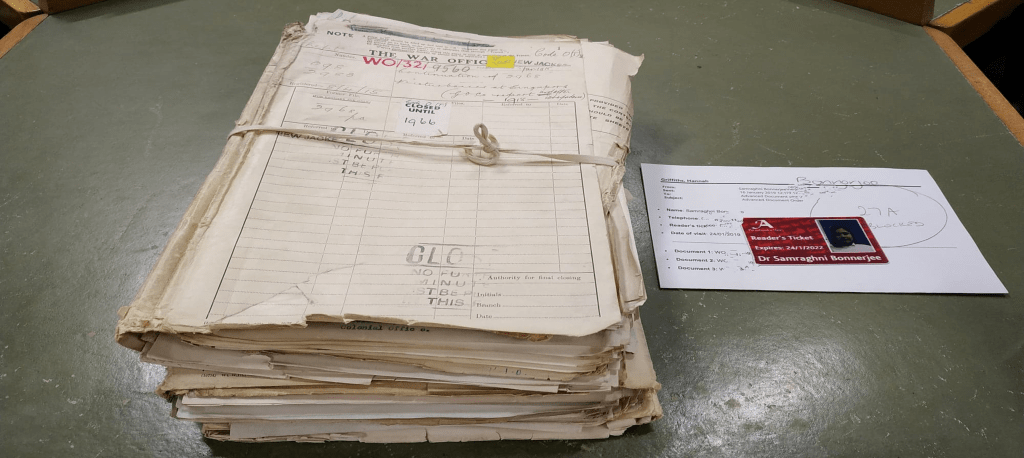
I work with literary texts that straddle that disparate juxtaposition of the “global Anglophone” and the “vernacular”. As a postcolonial scholar of war, I am interested in peripheral figures in the Forever War and in their encounters and negotiations with access to care, movement and migrations, occupying space and visibility, and shifting notions of race and belongingness. I began my career critically thinking about and working with the genre of life-writing, and although I continue to do so, particularly in my first book, over the last few years, I have also been writing on fictions in English, Bengali, Hindi and German, published between 1900 to the present, as well as on both colonial and contemporary policy documents. As a multilingual scholar, I work with texts across languages I am fluent in not only to solidify my answers to my research questions and to strengthen the corpus of war literature of the period, but also because reading and writing on texts not translated into English is my way of resisting the hegemony of the “Anglophone” academy. My primary texts are published canonical works as well as critically neglected texts that I discovered over the course of my archival research in archives at London, Leeds, Kolkata, Delhi, Paris, Berlin, Munich, Ypres, Canberra and Melbourne. Most of these archives I have worked in are colonial archives, and I think critically about the construction of a colonial archive at a recent keynote I delivered at Northumbria. In my most recent research, I have been working with policy papers—both historical and contemporary—and in my work I argue that the long legacy of imperial regulations and sensibilities in our contemporary society can be traced by critically close-reading policy documents.


 drsbonnerjee.com